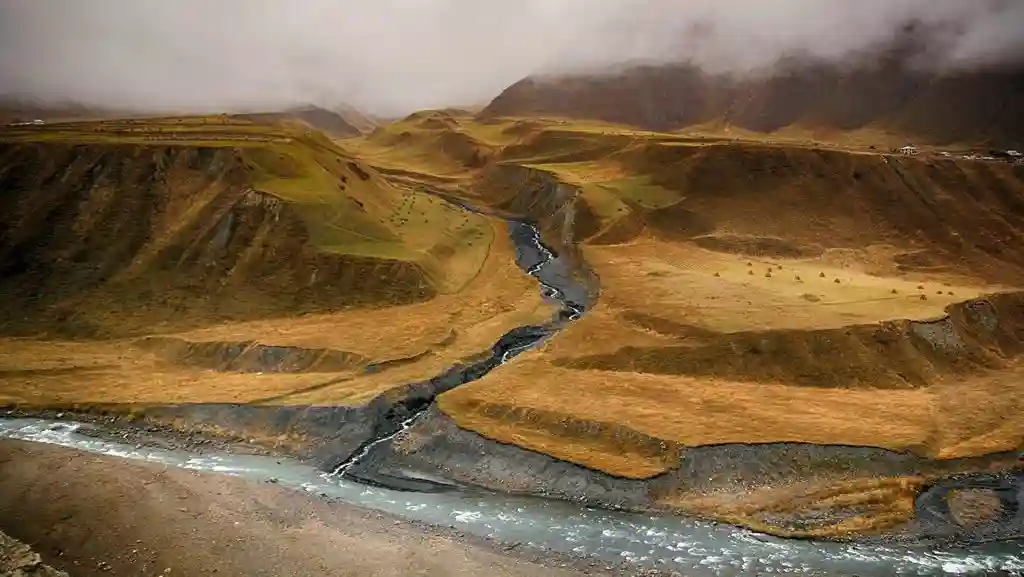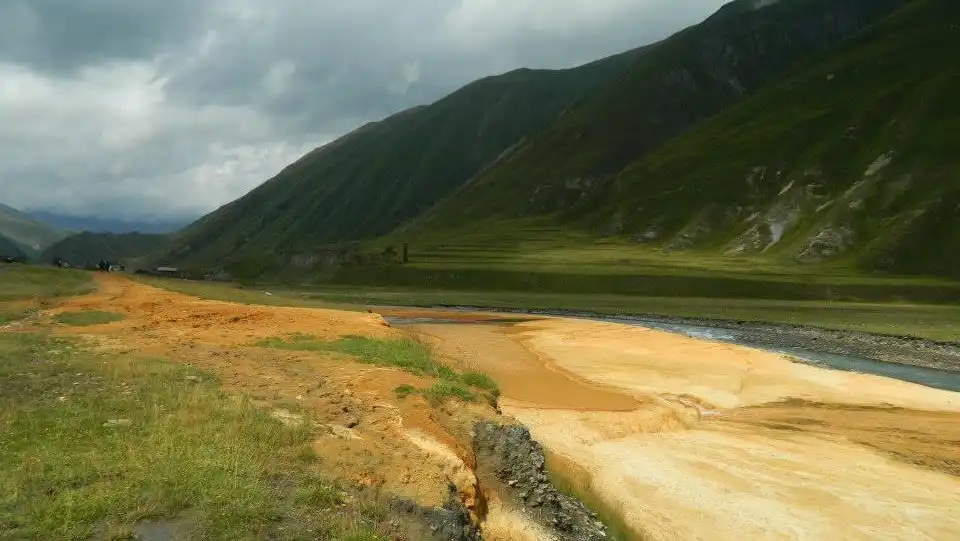

This specialized geological tour in Georgia focuses intently on the complex structural and petrographic diversity of the Greater Caucasus Range. Setting out from the historic capital of Tbilisi, our route heads directly north to explore the intricate tectonic history of this monumental collision zone. Designed to dissect the processes that shaped the “Roof of the Caucasus,” this expedition offers a profound understanding of Georgia’s unique vertical topography.
As an elite highlight within our Geological Tours in Georgia category, this itinerary is crafted specifically for scientific enthusiasts, researchers, and mountain lovers. We move beyond simple aesthetic appreciation to analyze the ancient crystalline basement and the complex layers of sedimentary cover, making this journey a centerpiece of our academic Nature & Eco-Tours collection.
The route bridges intensive field observations with spectacular high-altitude trekking. From analyzing structural thrust faults to examining unique alpine mineral formations, this deep dive perfectly embodies the spirit of our Canyons, Caves & Landscapes activity programs.
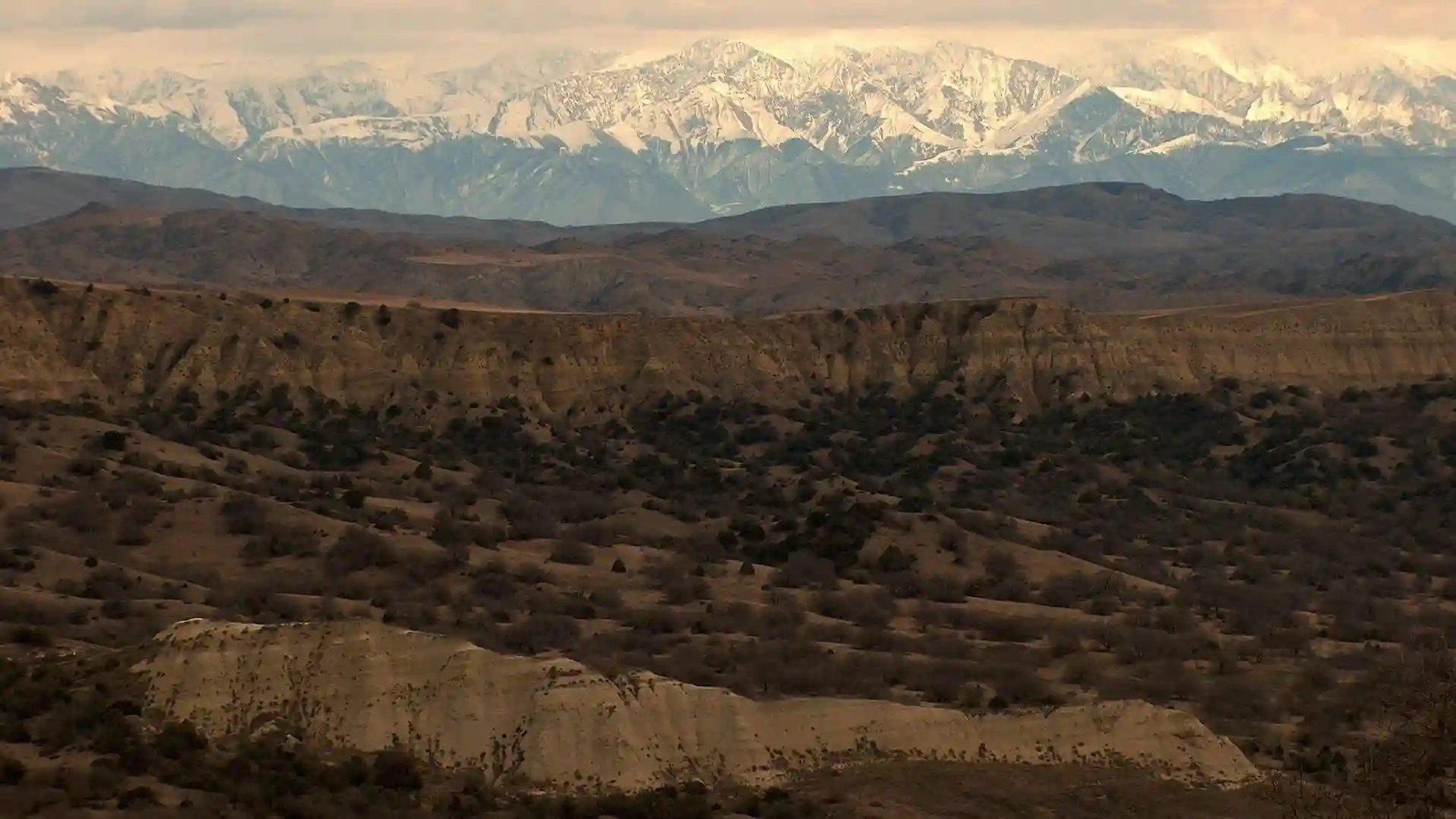
Georgia sits at the crossroads of major tectonic plates, making every kilometer of our journey a lesson in earth sciences. On our geological tour in Georgia, we examine the transition from the Kartli molasse basin to the folded system of the Greater Caucasus. This trip is designed for students, researchers, and nature enthusiasts who want to see the “bones” of the earth.
Our first major stop on this geological tour in Georgia is the village of Roshka (Khevsureti Region). This area is world-renowned among earth scientists for its “erratic boulders”—massive rock fragments transported by ancient glaciers during the Pleistocene epoch.
Glacial Deposits: Observe how ancient ice movement reshaped the valley, leaving behind moraines and unique geomorphological features.
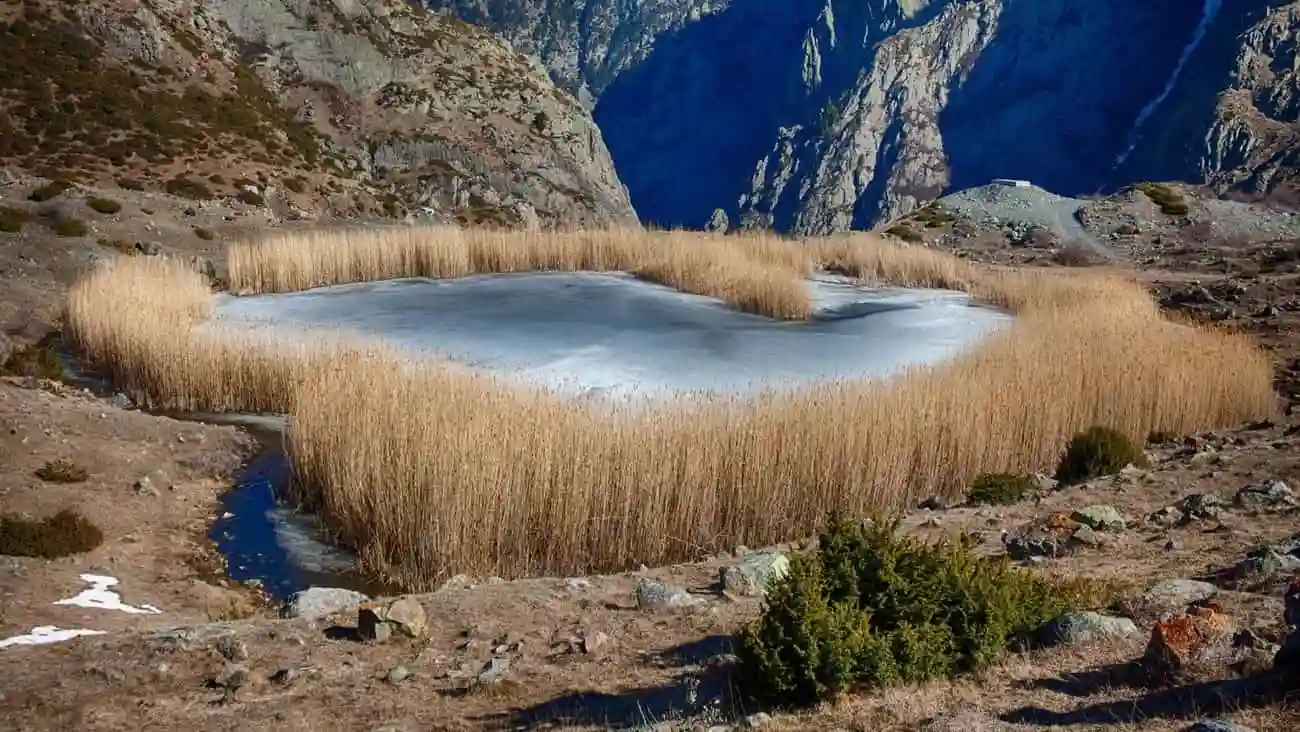
The Colored Lakes: The Abudelauri lakes (Green, Blue, and White) are stunning examples of how mineral composition and glacial silt affect water optics, a highlight of any geological tour in Georgia.
As we ascend the military road, the village of Mleta provides an incredible viewpoint for studying the structural geology of the region. On our geological tour in Georgia, we analyze the steep folds and the limestone formations that define the Aragvi gorge.
Sedimentary Layers: The exposed rock faces near Mleta reveal millions of years of oceanic deposition, later uplifted by tectonic forces.
Engineering Geology: Learn how the landscape affects infrastructure, from the historic roads to the modern tunnels being built in the region.
The journey continues to the Truso Valley, a live laboratory for tectonic activity and Quaternary volcanism. This part of the geological tour in Georgia is essential for understanding the hydrothermal processes of the Caucasus.
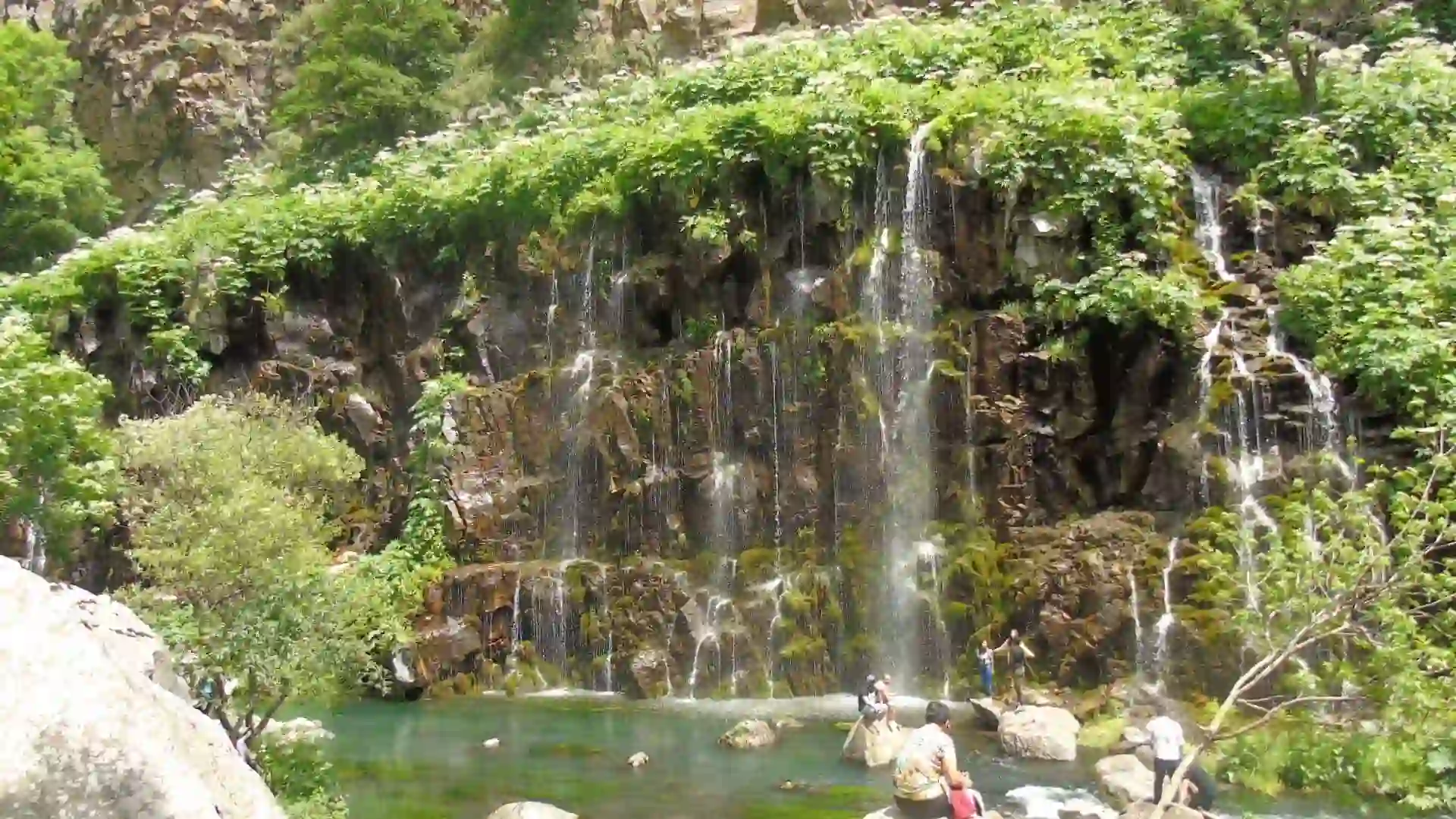
Travertine Terraces: See the carbonated mineral springs that create vibrant orange and white limestone deposits. These are active formations, constantly changing shape.
Mount Kazbek (Mkinvartzvari): Learn about the dormant stratovolcano that dominates the landscape. The lava flows and pyroclastic materials are key study points on our geological tour in Georgia.
Ananuri and the Zhinvali Reservoir: Study the sedimentary layers of the flysch zone and the impact of artificial reservoirs on the local hydrological geology.
On the return journey of our geological tour in Georgia, we visit the ancient capital,Mtskheta. This location is geologically significant due to the confluence of the Mtkvari and Aragvi rivers.
Fluvioglacial Terraces: Examine the river terraces that have provided a stable foundation for human settlement for over 3,000 years.
Cultural Geology: See how local stones—tuff, basalt, and limestone—were used in the construction of UNESCO World Heritage sites like Jvari and Svetitskhoveli.
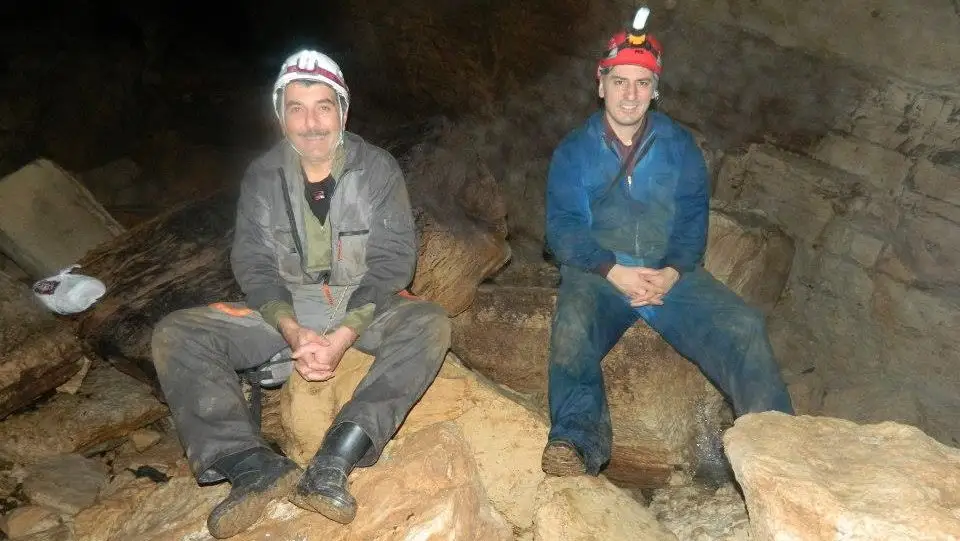
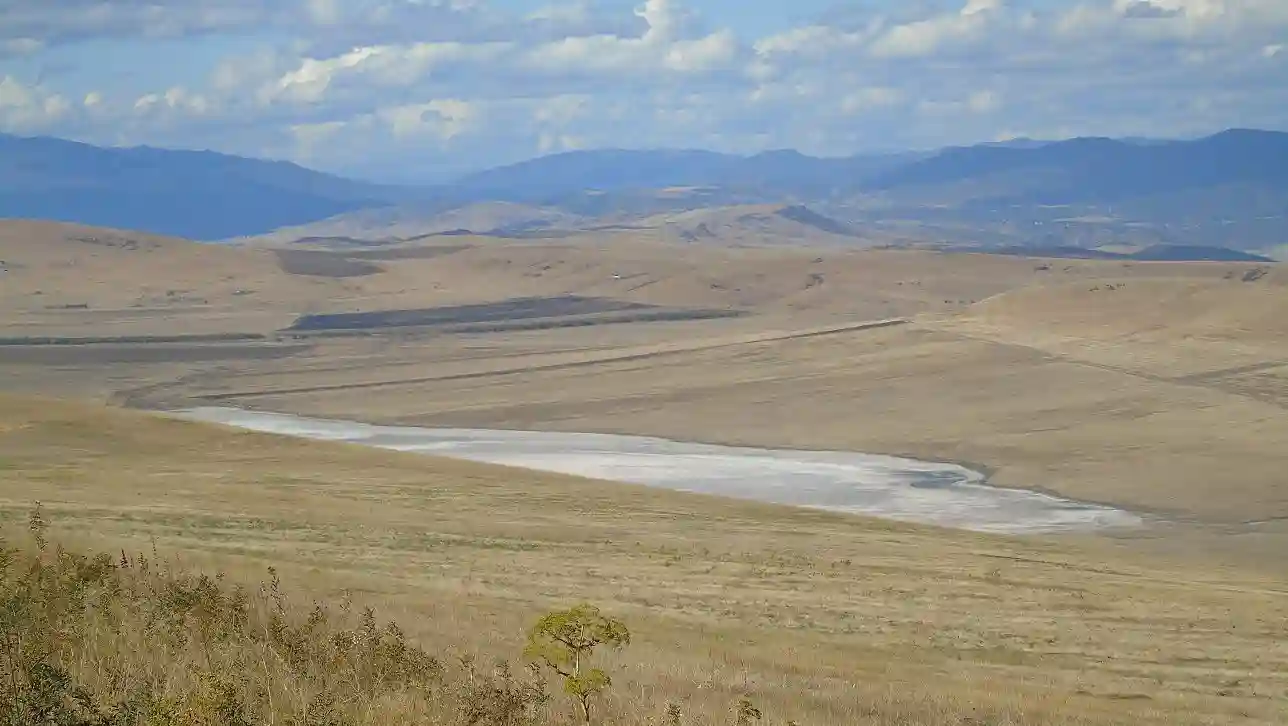
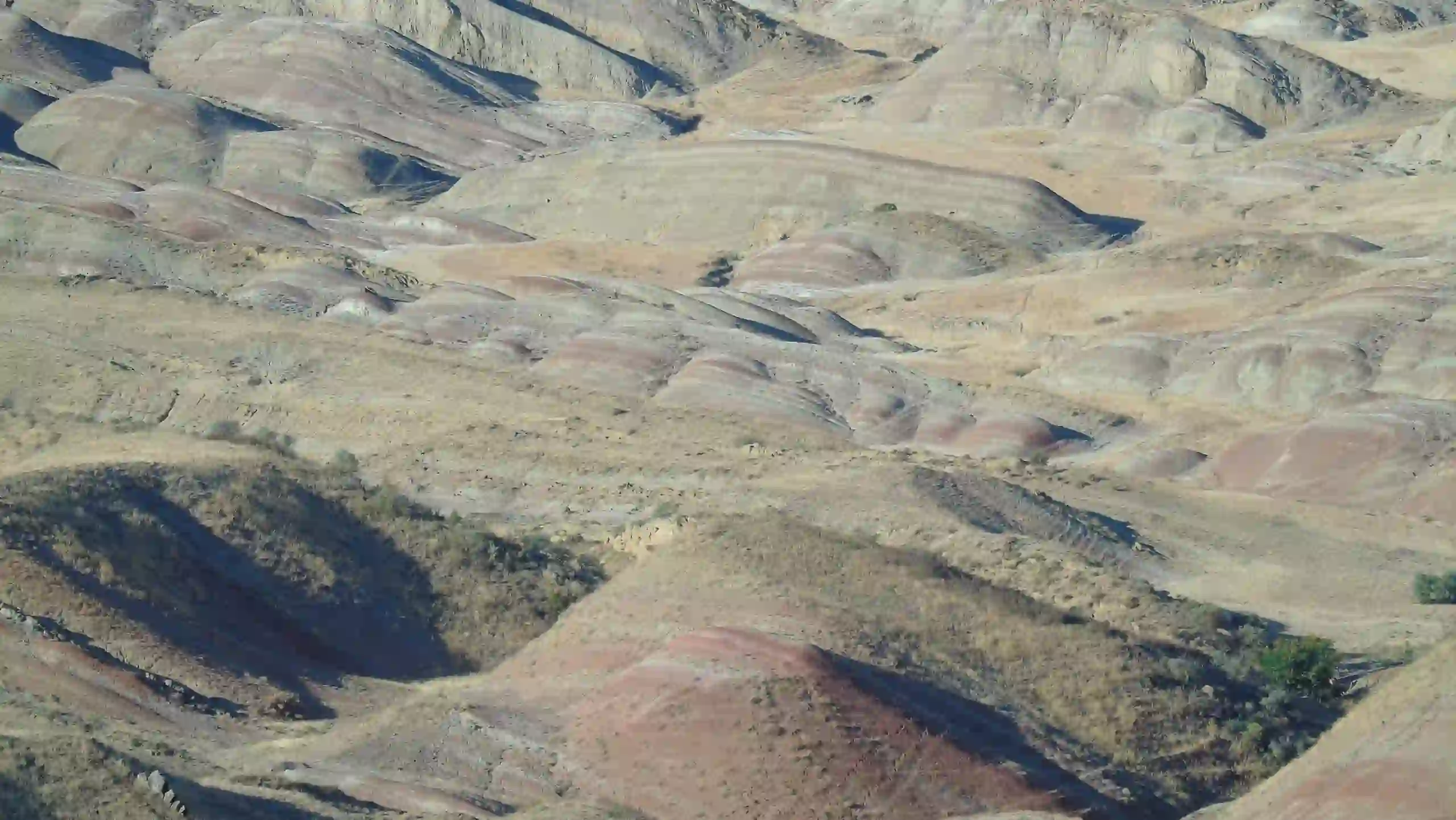
While our primary focus is the north, a geological tour in Georgia reveals the incredible contrast between the high peaks and the semi-deserts. From the limestone caves of Imereti (like Melouri) to the colored sandstones of Sagarejo, the diversity is staggering. Even within this expedition, the transition from the lush Mleta slopes to the rugged terrain of Khevi showcases the rapid tectonic shifts characteristic of the Alpine-Himalayan orogenic belt.
We pride ourselves on providing a high-level educational experience. Our geological tour in Georgia includes:
Academic Insights: Deep dives into petrology, stratigraphy, and tectonics.
Specialized Logistics: 4×4 vehicles to reach the most interesting outcrops and glacial erratic fields.
Diverse Perspectives: From the volcanic peaks of Kazbegi to the sedimentary basins of the south, we cover it all.
Tbilisi (Google Map)
July
17
August
17
September
17
October
17